

Hiring a virtual assistant (VA) should remove pressure from a business owner. A good assistant manages operational work so the founder can focus on growth.
Yet many entrepreneurs encounter the same problem after hiring.
Tasks return incomplete.
Deadlines slip.
Messages go unanswered.
At that moment, a difficult question appears:
Is the problem your system or the assistant you hired?
This uncertainty creates frustration. Business owners often spend weeks trying to fix communication before discovering the real issue.
Research from McKinsey & Company shows knowledge workers spend almost 20% of their workweek searching for information or clarifying instructions. Remote teams amplify this problem when workflows lack structure.
Remote collaboration introduces several challenges:
- multiple time zones
- asynchronous communication
- distributed global talent
- different work cultures
- multiple software systems
Many remote teams now rely on structured async tools such as Slack, Loom, and Notion to prevent communication breakdowns across distributed teams.
Without clear operational systems, delegation becomes slow and unpredictable.
However, most communication problems fall into two categories:
- System problems — the workflow and delegation structure lack clarity.
- Fit problems — the assistant lacks the communication skills or expertise required.
Once a company diagnoses the correct category, the solution becomes clear.
With the right structure and the right person, a virtual assistant becomes one of the most powerful leverage tools in modern business operations.
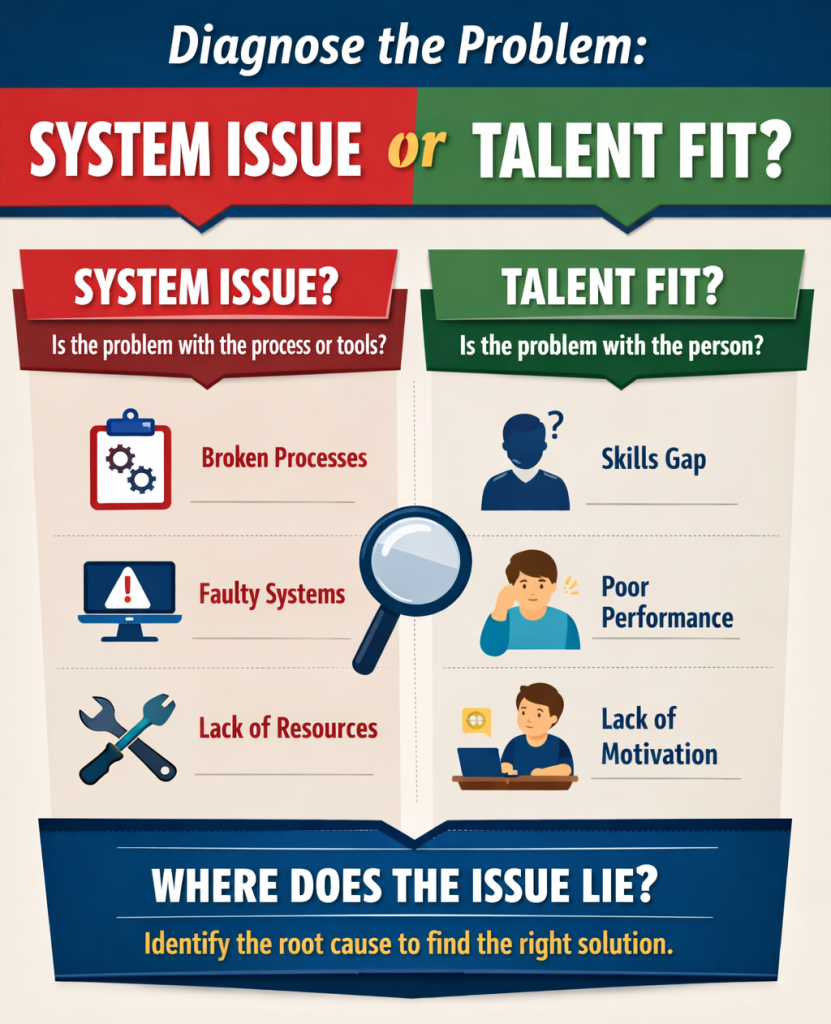
Diagnose the Problem: System Issue or Talent Fit?
Start with a simple diagnostic principle.
Do not assume the assistant created the problem.
Most communication breakdowns start inside the business operating system, not with the assistant.
Entrepreneurs often hire global talent but never build a system that allows that talent to succeed.
Remote delegation works best when the business operates within structured workflows, onboarding documentation, SOP libraries, and accountability loops.
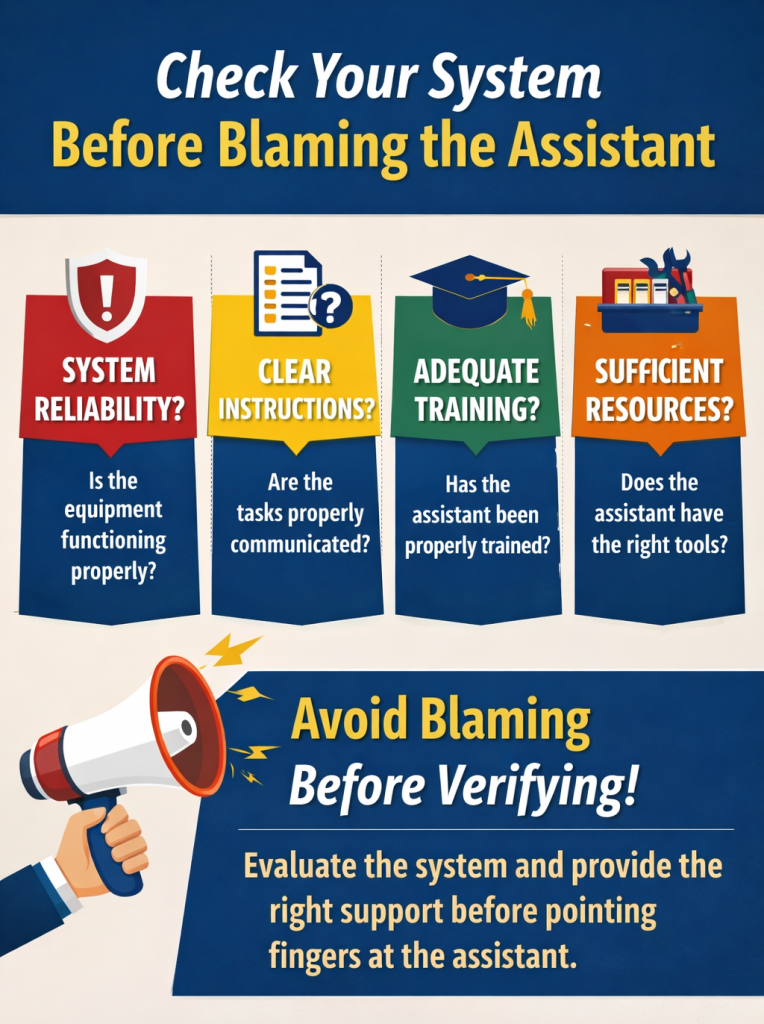
Check Your System Before Blaming the Assistant
Use this short audit.
If several of these issues exist, the system—not the assistant—needs improvement.
Document Standard Operating Procedures (SOPs)
Every recurring task should follow a documented process.
An SOP (Standard Operating Procedure) describes the exact steps required to complete a task. It removes ambiguity.
Example tasks that need SOPs include:
- inbox management
- CRM updates in HubSpot
- customer support replies
- lead research
- content scheduling
A structured onboarding SOP ensures a new virtual assistant understands workflows, tools, and response expectations from day one.
Without written SOPs, assistants rely on memory or assumptions.
According to workflow platform Process Street, companies that document their processes improve productivity by up to 280% compared to businesses that rely on verbal instructions.
Documented workflows also allow companies to scale teams quickly.
Centralize Instructions Across Platforms
Many entrepreneurs spread instructions across multiple channels:
- Slack messages
- email threads
- WhatsApp voice notes
- random chat messages
This fragmentation creates mistakes.
High-performing remote teams centralize instructions using a knowledge management system.
Popular platforms include:
- Notion for centralized documentation and onboarding SOP libraries
- Google Docs for process libraries
- ClickUp or Asana for task management
- Monday.com for workflow tracking
Centralized documentation allows assistants to find answers without constant supervision.
Define Communication Response Times
Remote teams require clear response expectations.
Without defined timelines, frustration grows quickly.
Example standards:
Slack or Microsoft Teams message → reply within 4 hours
Urgent issue → reply within 1 hour
Email → reply within 24 hours
These standards create predictable communication patterns.
Clear response expectations are especially important when teams operate across multiple time zones and rely heavily on async tools such as Slack and Loom.
Implement Weekly Feedback Loops
Many founders correct mistakes only when something breaks.
That approach slows improvement.
Effective remote teams schedule weekly performance reviews.
These reviews evaluate:
- completed tasks
- operational bottlenecks
- workflow clarity
- communication improvements
Research from Gallup shows employees who receive weekly feedback demonstrate three times higher engagement than employees who receive feedback rarely.
Consistent feedback strengthens remote team performance.
Delegate Outcomes, Not Activities
Weak delegation describes activities.
Strong delegation defines outcomes.
Weak instruction:
“Research competitors.”
Outcome-based instruction:
“Create a spreadsheet listing 10 SaaS competitors. Include pricing, product features, and website links.”
Outcome-based delegation reduces confusion and improves accuracy.
Many founders also record quick Loom videos to explain complex tasks visually instead of relying only on written instructions.
Build a Communication System That Scales
A virtual assistant performs best inside a structured system.
Companies that treat assistants as part of their operational infrastructure achieve the strongest results.
Structured communication allows executive assistants, operations managers, and remote specialists to work independently.
Structure Onboarding for the First Two Weeks
The first two weeks determine whether a virtual assistant succeeds.
Before onboarding begins, prepare:
- company overview documentation
- tool access credentials
- SOP library
- example completed tasks
- first-week priorities
Leading remote companies treat onboarding as knowledge transfer, not simple training.
An organized onboarding SOP stored inside Notion or Google Workspace ensures assistants can reference instructions without repeatedly asking managers for clarification.
Clear onboarding accelerates productivity.
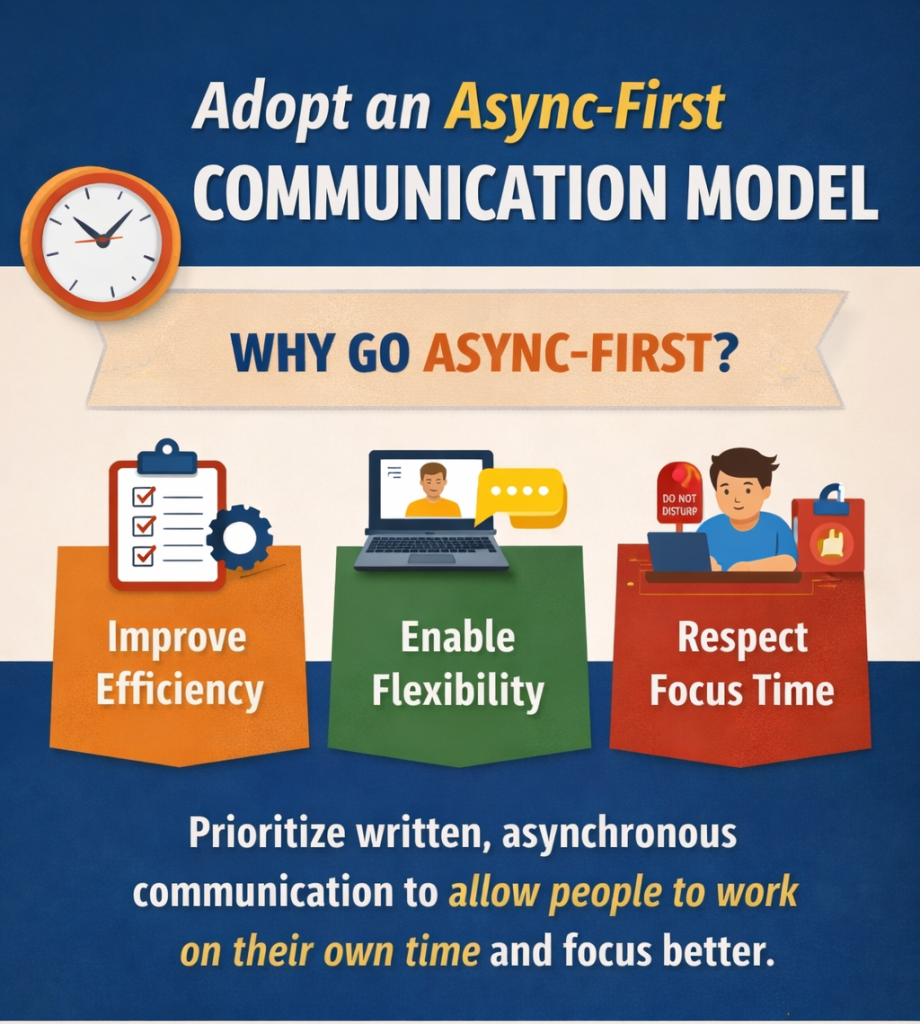
Adopt an Async-First Communication Model
Async communication allows team members to work independently without constant meetings.
This model dominates modern remote companies.
Useful async tools include:
- Loom for screen-recorded explanations
- Slack or Microsoft Teams for communication
- ClickUp, Asana, or Monday.com for task management
- HubSpot CRM for sales workflows
- Google Workspace for documentation
According to GitLab’s Remote Work Report, 86 percent of remote employees say asynchronous communication improves productivity.
A short Loom video often replaces a 30-minute meeting.
Integrate Task Management Systems
Every task should live inside a centralized project management system.
Platforms such as ClickUp, Asana, and Monday.com provide:
- task tracking
- deadlines
- accountability
- visibility across teams
This system removes guesswork and prevents lost tasks.
Use Time Zones as an Operational Advantage
Global teams often operate across multiple regions, including:
- the Philippines
- South Africa
- Eastern Europe
Time zone differences can increase productivity.
A simple end-of-day report ensures work continues smoothly.
Example update:
Completed today:
- Updated HubSpot CRM records
- Scheduled five LinkedIn posts
Working on tomorrow:
- Competitor research document
- Email inbox cleanup
Questions:
- Should refunds require manager approval?
This structure keeps work moving across time zones.
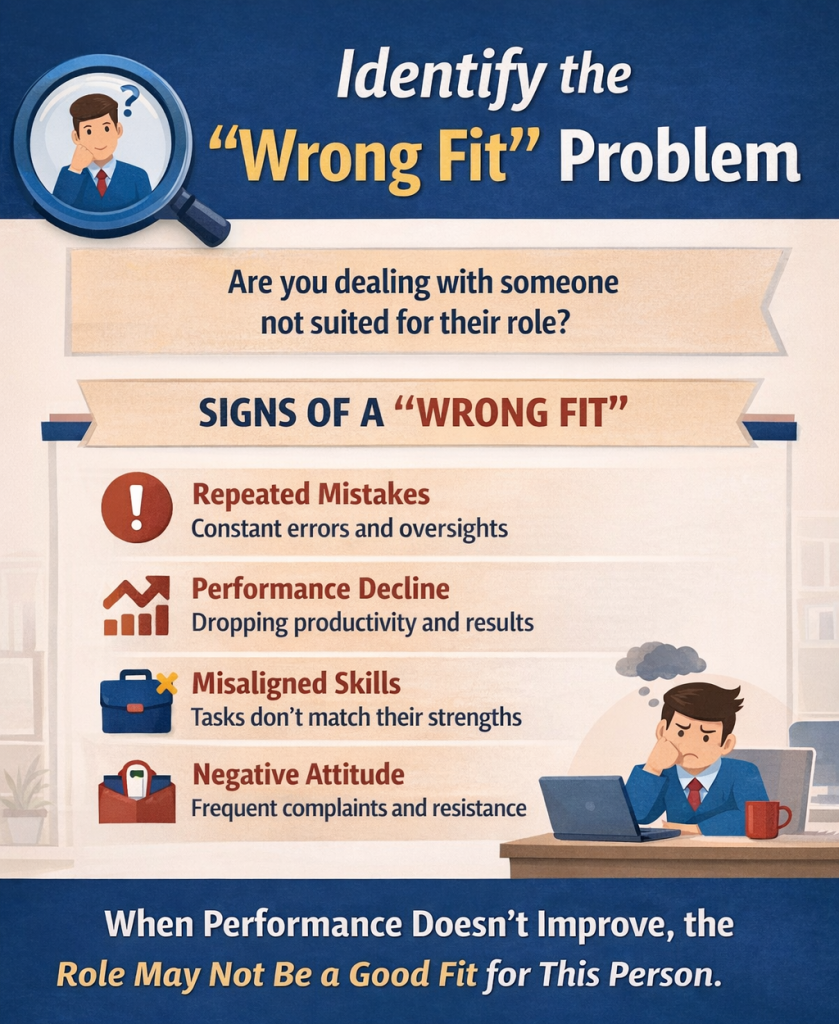
Identify the “Wrong Fit” Problem
If your operational system works correctly but communication problems continue, the issue may involve the assistant.
Several warning signs reveal a talent mismatch.
Instructions Produce Incorrect Outputs
Clear SOPs should improve results over time.
If outputs remain inaccurate, the assistant may lack the necessary expertise.
The Assistant Avoids Flagging Problems
Strong remote professionals communicate proactively.
For example:
“I noticed an issue with the HubSpot integration. Should I pause the automation?”
Assistants who stay silent until problems escalate create operational risk.
Progress Requires Constant Follow-Ups
High-quality assistants manage their workload independently.
If every task requires reminders, the role may require a different type of professional.
Claimed Skills Do Not Match Execution
Some candidates claim experience with systems such as:
- HubSpot CRM
- Google Analytics
- SEO optimization tools
But struggle with basic execution.
A structured recruitment process prevents this mismatch.
Hiring Determines Communication Success
Most communication problems begin during the hiring process.
A strong recruitment process evaluates more than technical skills.
It evaluates professional behavior and communication style.
For example:
A virtual executive assistant must anticipate operational needs.
An SEO virtual assistant must interpret analytics tools such as Google Search Console.
An operations manager must coordinate workflows across multiple teams.
According to Harvard Business Review, a poor hire can cost a company up to 30 percent of the employee’s annual salary.
Remote teams often feel this cost through lost time and delayed projects.
Professional virtual assistant agencies reduce this risk through structured vetting.
At Aristo Sourcing, recruitment teams evaluate candidates for:
- remote communication ability
- reliability in distributed teams
- technical proficiency with business tools
- proactive problem solving
Aristo also provides a replacement guarantee. If a virtual assistant is not the right fit, the team replaces the assistant quickly to maintain operational continuity.
This approach removes the risk of being trapped with the wrong fit.
The Aristo VA Communication Starter Pack
The following framework helps business owners create a clear communication system.
Think of it as a remote workforce operating system.
Week 1 Onboarding Checklist
Provide these items before work begins:
- company overview document
- system logins and tool access
- SOP documentation
- examples of completed tasks
- first-week task priorities
Structured onboarding prevents early confusion.
Daily Async Check-In Template
A short update keeps work transparent.
Daily Update
Today’s priorities
• Task 1
• Task 2
Completed yesterday
• Task results
Questions
• Clarifications required
Estimated completion
• Expected delivery timeline
Task Brief Template
Use this format when assigning work.
Task
Update CRM records.
Goal
Clean outdated sales leads inside HubSpot.
Instructions
Remove duplicate contacts and update missing company names.
Output
Updated CRM contact list.
Deadline
Friday, 5 PM.
Response Time Expectations
Clear standards prevent confusion.
| Channel | Standard Response | Urgent / Blocker |
|---|---|---|
| Slack / Microsoft Teams | Within 4 hours | Within 1 hour |
| Within 24 hours | Move to Slack | |
| Asana / ClickUp Tasks | End of business day | Immediate notification |
Conclusion: Systems and Talent Create Leverage
Effective communication with a virtual assistant depends on two elements.
A structured operational system.
The right global talent.
When these elements align, delegation becomes simple.
Tasks move forward without constant supervision. Communication remains clear across time zones. Business owners regain time to focus on strategy and growth.
A strong system combined with vetted professionals transforms remote staffing into a powerful competitive advantage.
That is the foundation of scalable delegation and the principle behind how Aristo Sourcing builds high-performance remote teams.
Frequently Asked Questions
How do I handle time zone differences with an offshore VA?
Time zone overlap is not always necessary for productivity. By adopting an async-first communication model using tools like Loom and Notion, you create a “follow-the-sun” workflow. The assistant completes tasks while you sleep, and you review them during your morning. A daily 10-minute overlap for a sync meeting or a structured end-of-day report is usually sufficient to maintain alignment.
Which software tools are essential for managing a remote support staff?
A professional remote tech stack should include three categories: Project Management (Asana, ClickUp, or Monday.com) to track task progress, Communication (Slack or Microsoft Teams) for real-time and async updates, and Knowledge Management (Notion or Google Workspace) to house your SOPs. Centralizing these tools prevents “information fragmentation” and ensures your VA has a single source of truth.
What is the difference between a Freelancer and a Managed Virtual Assistant?
Freelancers found on marketplaces often work with multiple clients and lack a structured support system, increasing the risk of “disappearing” or skill gaps. A managed virtual assistant through an agency like Aristo Sourcing undergoes rigorous vetting for proactive communication and technical proficiency. Managed services also provide a replacement guarantee, ensuring operational continuity if the initial hire isn’t a perfect fit.
How many hours of onboarding does a new VA typically require?
High-leverage delegation begins with a structured 10 to 15-hour onboarding process spread over the first two weeks. This should focus on knowledge transfer rather than basic skill training. By providing recorded Loom tutorials and existing SOPs, you reduce the time spent in live meetings and allow the assistant to reach full productivity faster.
Can one Virtual Assistant handle multiple areas of my business?
While a “General VA” can handle basic administrative tasks, scaling requires specialized remote talent. For example, an SEO Virtual Assistant focuses on analytics and content optimization, while an Executive Assistant manages high-level operations and scheduling. For maximum efficiency, it is best to hire for specific “Role Entities” rather than spreading one person across unrelated departments.
How do I measure the ROI of my Virtual Assistant?
The ROI of a VA is measured by the “Time Reclaimed” for high-value strategic growth. Track the hours your assistant spends on recurring operational tasks (like CRM management or inbox filtering) that you previously handled. If your assistant saves you 20 hours a week, the ROI is calculated by your hourly value multiplied by those 20 hours, minus the cost of the assistant.
